Epoxy vs. Polyaspartic Floor Coatings: Which Is Better for Your Property?
Epoxy vs. Polyaspartic Floor Coatings: Which Is Better for Your Property?
If you're considering upgrading the concrete floors in your garage, warehouse, showroom, or commercial building, you've probably come across two popular options: epoxy and polyaspartic floor coatings.
Both systems can transform unfinished concrete into a more durable, attractive, and easier-to-maintain surface. However, they have different installation requirements, performance characteristics, and costs.
For property owners and business operators throughout Tampa and Central Florida, choosing the right flooring system is about more than appearance. It's important to consider how the space is used, the condition of the concrete, and how much downtime you can accommodate.
Here's what you should know about epoxy and polyaspartic coatings before making a decision.
What Is Epoxy Flooring?
Epoxy flooring is a resin-based coating system applied to prepared concrete.
Epoxy coatings typically consist of two components that chemically react to create a hardened surface.
Depending on the formulation and installation method, epoxy flooring can provide a durable finish suitable for residential, commercial, and industrial environments.
Common applications include:
- Residential garages
- Commercial warehouses
- Automotive service areas
- Manufacturing facilities
- Storage buildings
- Showrooms
- Utility rooms
- Commercial workspaces
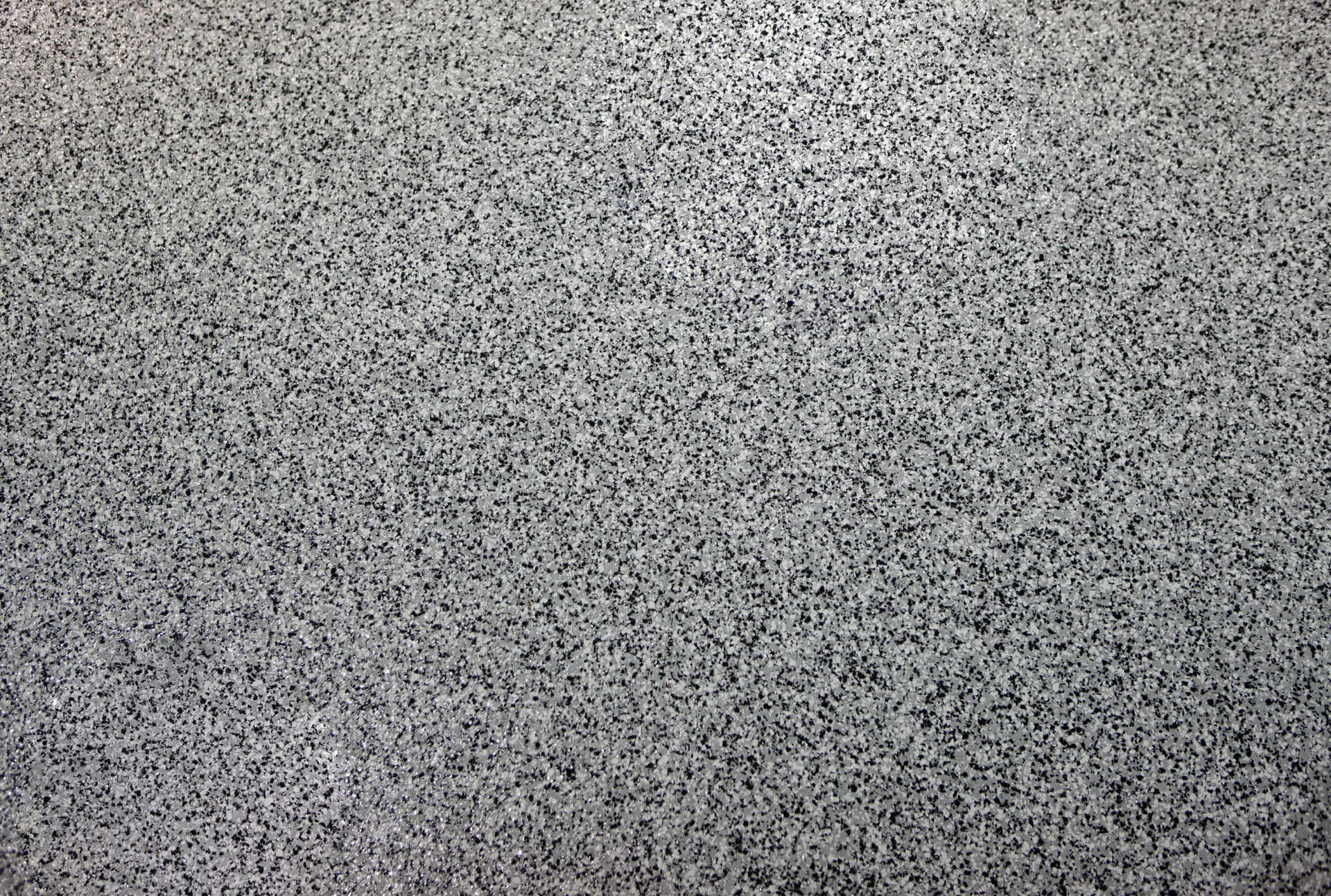
Epoxy systems are available in different colors, textures, thicknesses, and finishes.
Some installations incorporate decorative flakes, while others use solid-color finishes or more specialized industrial systems.
What Is Polyaspartic Flooring?
Polyaspartic flooring is a type of protective coating commonly used on concrete surfaces.
Polyaspartic coatings are often associated with faster curing times and good resistance to ultraviolet exposure.
They may be used as standalone coating systems or as topcoats in multi-layer flooring installations.
Depending on the formulation, polyaspartic coatings can offer:
- Relatively fast curing
- Good abrasion resistance
- UV stability
- Decorative finish options
- Resistance to certain chemicals
- Easier routine cleaning
However, not all polyaspartic products perform the same way.
Installation conditions, concrete preparation, coating thickness, and product selection all influence the finished result.
Epoxy vs. Polyaspartic Flooring: What's the Difference?
Although both systems are designed to protect concrete, there are several important differences.
1. Installation and Curing Time
One of the biggest differences is how quickly the coatings cure.
Epoxy flooring systems often require longer curing periods, particularly when multiple coats are applied.
Some epoxy installations may need several days before the floor can return to full service, depending on the product and operating conditions.
Polyaspartic coatings can cure considerably faster.
Certain systems may allow relatively quick return to service, although actual timelines depend on the manufacturer's specifications, application conditions, and project requirements.
For businesses that cannot afford extended downtime, curing time may be an important factor.
2. UV Resistance
Sunlight can affect the appearance of some epoxy coatings over time.
Certain epoxy formulations may yellow or discolor when exposed to ultraviolet radiation.
Polyaspartic coatings generally offer better UV stability, making them attractive for areas exposed to direct sunlight.
However, UV resistance varies by formulation, and product specifications should always be reviewed.
For Florida properties with open garage doors, outdoor-adjacent areas, or significant natural light, this is worth considering.
3. Durability and Wear Resistance
Both epoxy and polyaspartic coatings can provide durable surfaces when properly selected and installed.
The appropriate system depends on the environment.
A warehouse with forklift traffic may have different flooring requirements than a residential garage or retail showroom.
Factors such as impact resistance, abrasion, chemical exposure, and coating thickness can influence performance.
Neither material is automatically the best choice for every application.
4. Moisture Considerations
Moisture is an important consideration when installing coatings over concrete.
Excessive moisture vapor transmission can interfere with adhesion and cause coating failures.
Florida's climate and site conditions make proper concrete evaluation particularly important.
Both epoxy and polyaspartic installations may require moisture testing or specialized preparation.
A faster-curing coating does not eliminate the need to address moisture-related problems.
5. Cost
Pricing varies based on the coating system, floor size, surface condition, preparation requirements, and project complexity.
Polyaspartic systems often have higher material costs than conventional epoxy coatings.
However, total project cost should also account for labor, downtime, expected service life, and maintenance requirements.
The least expensive installation isn't always the most cost-effective option over time.
Which Flooring System Is Better for Commercial Properties?
Commercial flooring decisions should begin with how the space operates.
A retail showroom may prioritize appearance and easy cleaning.
A manufacturing facility may require resistance to abrasion, impact, or specific chemicals.
A warehouse may need a flooring system that can withstand frequent equipment movement.
Epoxy Flooring for Commercial Spaces
Epoxy flooring can be a practical option for many commercial environments.
Properly specified epoxy systems can provide durable, seamless surfaces that are easier to maintain than untreated concrete.
Epoxy is also available in specialized formulations for industrial environments.
Polyaspartic Coatings for Commercial Spaces
Polyaspartic coatings may be useful when a shorter installation window or UV stability is especially important.
They can also serve as protective topcoats over compatible base systems.
The right choice depends on the performance requirements and the coating manufacturer's recommendations.
Is Epoxy or Polyaspartic Better for a Garage?
Both can be suitable for garage floors.
For residential garages, important considerations include:
- Vehicle traffic
- Tire contact and heat
- Oil and automotive fluid exposure
- Sunlight entering through garage doors
- Surface appearance
- Cleaning requirements
- Installation downtime
- Budget
Epoxy flooring offers a range of finish options and can provide excellent performance when properly installed.
Polyaspartic coatings may offer advantages in curing time and UV stability.
In some cases, a multi-layer system using different coating materials may be appropriate.
The best choice depends on the specific garage and the desired finish.
How Important Is Concrete Surface Preparation?
Surface preparation is one of the most important parts of a successful concrete coating installation.
Even a high-quality coating can fail if the underlying concrete isn't properly prepared.
Professional preparation may involve:
- Inspecting the concrete for cracks, damage, or contamination.
- Evaluating moisture conditions.
- Removing incompatible existing coatings.
- Mechanically preparing the surface.
- Repairing suitable cracks and surface defects.
- Applying the selected coating system according to product specifications.
Grinding or other mechanical preparation methods are commonly used to create an appropriate surface profile.
The required preparation depends on the coating system and condition of the concrete.
Skipping this process can lead to peeling, delamination, or premature wear.
Can You Apply a New Coating Over an Existing Epoxy Floor?
Sometimes, but the existing coating must be evaluated first.
If the current epoxy is peeling, separating from the concrete, or otherwise failing, applying another coating directly over it may not solve the underlying problem.
The surface may require mechanical preparation or complete removal of the existing coating.
Compatibility between the old and new materials is also important.
A professional evaluation can help determine whether recoating is appropriate.
How Long Do Epoxy and Polyaspartic Floors Last?
There is no universal lifespan for either flooring system.
Performance depends on several factors, including:
- Quality of surface preparation
- Product formulation
- Installation conditions
- Traffic and equipment loads
- Chemical exposure
- Moisture conditions
- Cleaning practices
- Ongoing maintenance
A residential garage experiences very different wear compared with an industrial facility operating heavy equipment every day.
Choosing a system suited to the actual environment is more important than relying on a generic lifespan estimate.
Which Floor Coating Is Easier to Maintain?
Both epoxy and polyaspartic coatings can provide surfaces that are easier to clean than unfinished concrete.
Routine maintenance generally involves removing dirt and debris, cleaning spills promptly, and using products compatible with the coating.
Avoid abrasive cleaning methods or harsh chemicals unless approved by the manufacturer.
For commercial and industrial floors, a maintenance plan should reflect the type of traffic and substances the floor encounters.
Frequently Asked Questions
Is polyaspartic flooring better than epoxy?
Not necessarily. Polyaspartic coatings may offer faster curing and better UV stability, while epoxy systems provide versatile options for residential, commercial, and industrial applications. The best choice depends on the project.
Is polyaspartic flooring more expensive than epoxy?
Polyaspartic materials often cost more than conventional epoxy materials, but total installation pricing depends on the entire flooring system and preparation requirements.
Can epoxy flooring handle heavy equipment?
Properly specified industrial epoxy flooring systems can be suitable for environments with equipment traffic. Performance depends on the coating formulation, thickness, concrete condition, and operating loads.
Will epoxy flooring yellow in Florida sunlight?
Some epoxy formulations can discolor with prolonged UV exposure. UV-stable topcoats or alternative systems may help address this concern.
Can floor coatings be installed over cracked concrete?
Certain cracks and surface defects can be repaired before coating installation. However, active movement or significant structural problems may require additional evaluation.
How long before I can use my newly coated floor?
Return-to-service times vary by product, temperature, humidity, and intended use. Follow the installer's instructions for foot traffic, vehicle traffic, and full service.
Professional Concrete Coatings in Tampa and Central Florida
Choosing between epoxy and polyaspartic flooring requires more than comparing product names.
The condition of your concrete, how the space is used, and your expectations for durability, appearance, and maintenance all influence which system makes sense.
Concrete Coatings Florida provides concrete flooring solutions for residential, commercial, and industrial properties throughout Tampa and Central Florida.
Whether you're considering an epoxy floor, upgrading a commercial workspace, or exploring flooring options for a larger facility, our team can help you evaluate the available solutions.
Ready to upgrade your concrete floors? Contact Concrete Coatings Florida today to discuss your project and request an estimate.