Is Polished Concrete Good for Commercial Floors in Florida?
This is a subtitle for your new post
When choosing flooring for a commercial property, appearance is only part of the decision. The floor also needs to handle daily foot traffic, equipment, cleaning, spills, and the demands of the specific space.
For many Florida businesses, polished concrete can be an attractive option because it uses the existing concrete slab to create a durable finished surface without covering it with traditional flooring.
But is polished concrete right for every commercial property?
Here's what Tampa Bay business owners, contractors, and property managers should know before choosing polished concrete.
What Is Polished Concrete?
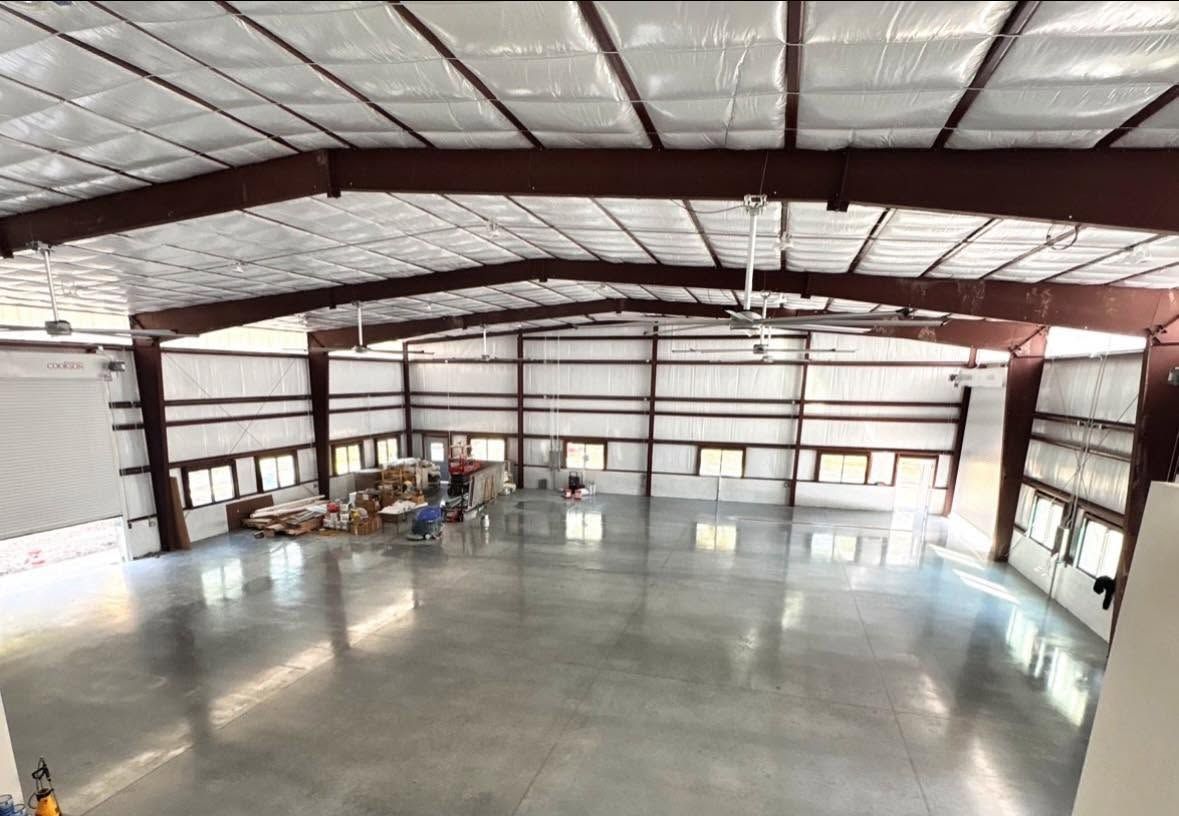
Polished concrete is created by mechanically grinding and polishing an existing concrete slab.
Rather than applying a decorative coating over the concrete, the polishing process refines the concrete itself.
The floor can be finished to different levels of sheen, ranging from a more subtle matte appearance to satin or high-gloss finishes.
The result is a finished concrete surface that can work particularly well in commercial and industrial environments where durability and ease of maintenance are priorities.
Why Do Businesses Choose Polished Concrete?
It Handles Heavy Foot Traffic
Commercial flooring typically experiences considerably more traffic than residential flooring.
Retail stores, offices, warehouses, showrooms, restaurants, and other businesses may have employees and customers walking across the same areas throughout the day.
Properly polished concrete creates a durable surface designed to handle regular use.
It's Easier to Maintain
Maintenance is one of the biggest considerations when selecting commercial flooring.
Carpet can collect dirt and stains. Tile introduces grout lines that need cleaning. Certain flooring systems may require periodic waxing or refinishing.
Polished concrete provides a relatively straightforward surface to maintain.
Routine dust removal and appropriate cleaning can help keep the floor looking good without the maintenance requirements associated with some traditional commercial flooring materials.
Does Polished Concrete Need Wax?
One advantage of mechanically polished concrete is that it doesn't rely on traditional floor wax to create its finished appearance.
The sheen comes from mechanically refining the concrete surface.
This can be particularly appealing for large commercial spaces where ongoing floor maintenance represents both a labor expense and an operational concern.
Is Polished Concrete Good for Warehouses?
It can be an excellent option for many warehouse environments.
Warehouses need flooring capable of handling regular traffic and demanding daily use.
Polished concrete maintains the existing concrete appearance while creating a more finished surface.
However, the right flooring system depends on how the facility is used.
A warehouse with specialized chemical exposure, wet processing, thermal shock, or other demanding conditions may benefit from a different flooring system, such as a urethane or resinous coating.
The intended use of the space should always determine the flooring recommendation.
Is Polished Concrete Good for Retail Stores and Showrooms?
Polished concrete isn't limited to industrial buildings.
Its clean, modern appearance has made it a popular option for retail stores, showrooms, offices, and other customer-facing spaces.
Depending on the polishing level, the floor can have anything from a subdued satin appearance to a more reflective finish.
This allows businesses to maintain the character of natural concrete while creating a more intentional and professional finished space.
Polished Concrete vs. Epoxy for Commercial Floors
Both polished concrete and epoxy flooring can work well commercially, but they're fundamentally different systems.
Polished concrete mechanically refines the existing slab.
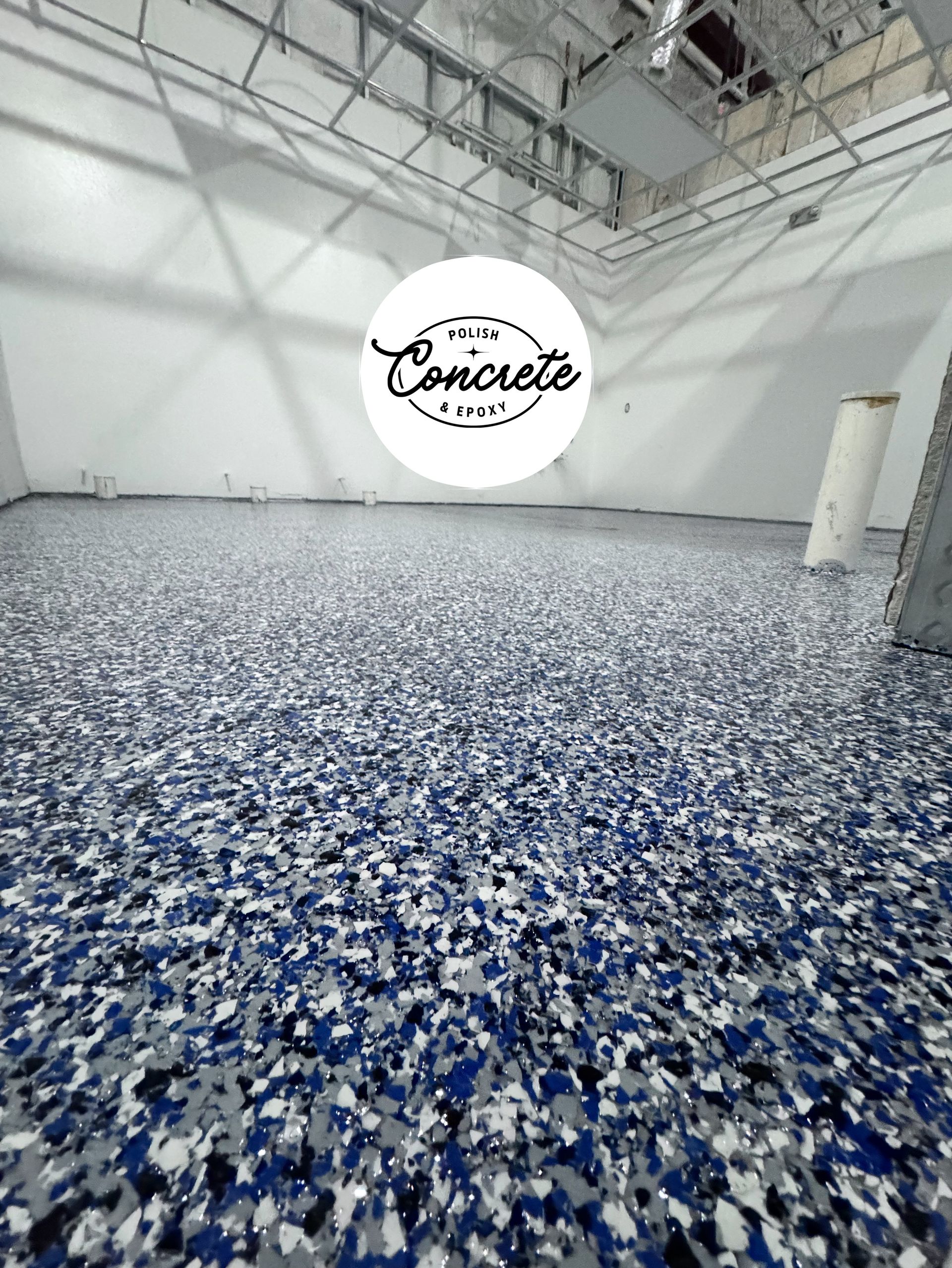
- Epoxy creates a resinous flooring system over properly prepared concrete.
- Polished concrete can be a good choice when you want:
- A natural concrete appearance
- A durable finished surface
- Relatively straightforward maintenance
- Different sheen options
- No traditional wax coating
- Epoxy and other coating systems may be better when the property requires:
- A seamless resinous surface
- Decorative colors or metallic finishes
- Chemical resistance
- Specialized performance characteristics
- A specific coating system
Neither option is automatically better for every property.
The correct choice depends on how the floor will be used.
Why Surface Preparation Matters
Before concrete can be polished, the existing slab needs to be evaluated.
Cracks, spalling, joints, existing coatings, adhesives, surface damage, and moisture conditions can all affect the project.
Professional concrete flooring may require services such as:
- Concrete grinding
- Crack repair
- Spall repair
- Joint filling
- Shot blasting
- Moisture mitigation
Proper preparation creates the foundation for the finished flooring system.
Florida Concrete Polishing & Concrete Coatings handles surface preparation and repair in-house before installing the appropriate floor system.
Can Old Commercial Concrete Be Polished?
In many cases, yes.
An older slab doesn't automatically need to be covered or replaced.
Existing concrete can often be mechanically prepared, repaired where appropriate, and polished to create a finished floor.
However, the condition of the slab matters.
Heavy damage, previous coatings, adhesives, deep staining, moisture issues, or extensive repairs can affect both the process and the final appearance.
An on-site evaluation is the best way to determine whether an existing commercial slab is a good candidate for polishing.
What Does Polished Concrete Look Like?
One of the advantages of polished concrete is that it doesn't try to hide the fact that the floor is concrete.
Instead, the process makes the concrete itself part of the finished design.
Every slab has its own characteristics, including variations in color, aggregate, previous wear, repairs, and other natural differences.
The level of polishing can also change the overall appearance.
Businesses can choose a matte, satin, or higher-gloss finish depending on the desired look and application.
Is Polished Concrete Slippery?
A highly reflective floor can sometimes look slippery even when appearance alone doesn't accurately indicate traction.
Slip resistance depends on several factors, including the finished surface, contaminants, maintenance, and environment.
Areas that are frequently wet or exposed to oils, chemicals, or other substances may require different considerations than a dry retail or office environment.
This is another reason the intended use of the facility should be discussed before selecting a flooring system.
How Long Does Commercial Polished Concrete Last?
There isn't one lifespan that applies to every commercial floor.
Traffic, maintenance, equipment, environmental conditions, and how the space is used all affect long-term performance.
One advantage of polished concrete is that the finish is created through mechanical refinement of the existing concrete rather than relying solely on a topical decorative coating.
Proper installation and maintenance are still important for long-term results.
Frequently Asked Questions About Commercial Polished Concrete
Is polished concrete good for high-traffic businesses?
Yes, polished concrete can be well suited to many high-traffic commercial environments. The existing slab and intended use should be evaluated before choosing the flooring system.
Can polished concrete be used in a retail store?
Yes. Retail stores and showrooms can use polished concrete to create a clean, modern appearance while maintaining a durable commercial floor.
Does polished concrete require a coating?
Mechanically polished concrete does not rely on an epoxy coating to create the finished surface. The concrete itself is ground, densified, and polished.
Can damaged concrete be polished?
Minor cracks, spalls, and other issues can often be addressed during preparation. More significant damage should be evaluated before determining whether polishing is appropriate.
Is polished concrete better than epoxy for a warehouse?
It depends on how the warehouse is used. Polished concrete can work well for many facilities, while epoxy, urethane, or other coating systems may be preferable when specialized chemical, moisture, impact, or performance requirements exist.
Commercial Concrete Polishing in Tampa Bay
The right commercial flooring system should be selected around the demands of your facility, not simply how the finished floor looks.
Florida Concrete Polishing & Concrete Coatings provides commercial and industrial concrete polishing, epoxy flooring, flake systems, sealed concrete, urethane systems, concrete repair, and professional surface preparation throughout Tampa Bay and Central Florida. The company serves Tampa, St. Petersburg, Clearwater, Lakeland, Sarasota, Bradenton, Brandon, Riverview, Wesley Chapel, New Port Richey, and surrounding communities.
With more than 15 years of experience and an in-house installation crew, the team can evaluate your existing concrete and recommend a flooring system based on how your facility is actually used.
Contact Florida Concrete Polishing & Concrete Coatings to schedule a free on-site estimate.